
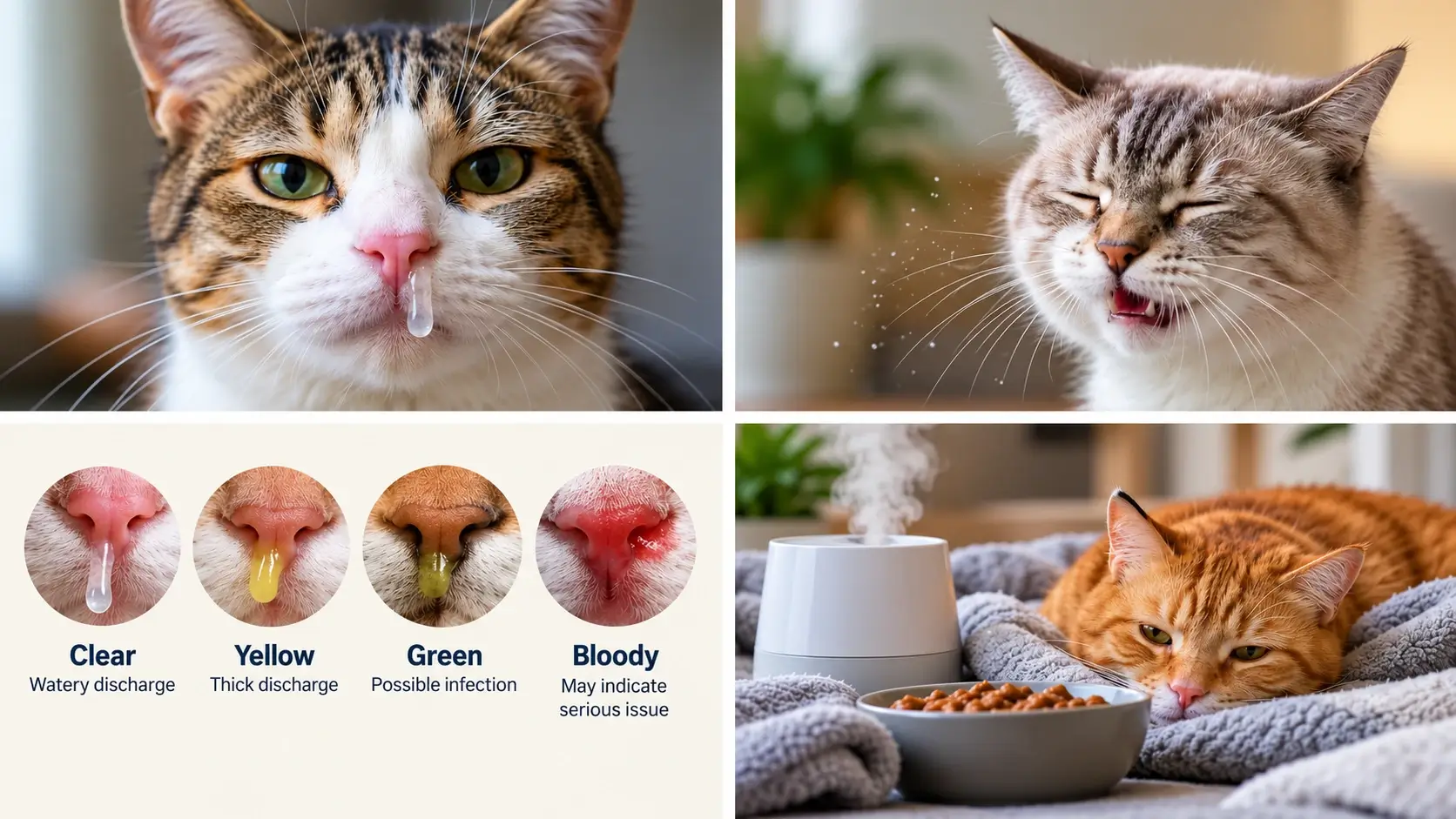
A runny nose in cats isn’t always a reason to worry, but it shouldn’t be ignored either. Your cat might have a little clear discharge and act completely normal, or they could be sneezing, dealing with watery eyes or struggling with a stuffy nose. Common causes of a cat runny nose include respiratory infections, allergies and nasal irritation. The discharge may be clear and watery, thick and sticky or sometimes yellow, green or bloody. It can also come from one nostril or both. So, how can you tell if your cat just needs some extra care or a trip to the vet? Let’s look at the possible causes, safe home remedies and warning signs you shouldn’t overlook.
Quick Answer: A cat’s runny nose is often linked to respiratory infection or nasal irritation. Mild, occasional clear discharge may be less concerning, but persistent mucus, blood, reduced appetite, or other symptoms need veterinary attention. Difficulty breathing or open-mouth breathing is an emergency.
What Does It Mean When a Cat Has a Runny Nose?
A runny nose in cats means excess fluid or mucus is coming from one or both nostrils. Veterinarians call this nasal discharge, and it commonly develops when the lining of the nose becomes irritated or inflamed. Unlike the normal moisture on a healthy cat’s nose, nasal discharge may drip, form bubbles or dry into crusts around the nostrils.
The discharge can be:
- Clear and watery
- Thick or sticky
- Yellow or green
- Mixed with blood
- Present in one or both nostrils
Is it normal for a cat to have a runny nose? An occasional clear drop may not indicate a serious problem, especially if your cat is eating, breathing and behaving normally. However repeated or persistent nasal discharge isn’t something to ignore.
What Causes a Runny Nose In Cats?
Upper respiratory infections are among the most common causes, but they aren’t the only explanation. Dental disease, nasal growths, foreign objects and environmental irritants can also produce similar symptoms.
1. Upper Respiratory Infections (Cat Colds)
A feline upper respiratory infection (URI) affects the nose, throat, and sometimes the eyes. Two important viral causes are:
- Feline herpesvirus type 1 (FHV-1): Associated with feline viral rhinotracheitis, sneezing, nasal discharge, and eye inflammation.
- Feline calicivirus (FCV): Can cause respiratory symptoms, fever and painful mouth ulcers.
Bacteria such as Chlamydia felis and Bordetella bronchiseptica may also contribute to these infections. Other symptoms include congestion, watery eyes, and reduced appetite. Infections spread more easily in shelters and multi-cat households, with kittens and cats with weakened immune systems at greater risk.
2. Environmental Irritants And Allergies
- Does your cat start sneezing after you clean the house or use an air freshener?
- Dusty litter, cigarette smoke, perfumes, cleaning sprays, and other airborne irritants can inflame the nasal lining.
- Allergies can also contribute to nasal symptoms, although allergic rhinitis is less common in cats than infectious causes.
- If symptoms appear around a particular household product, stop using it near your cat and discuss recurring symptoms with your veterinarian.
- Don’t assume every clear runny nose is caused by allergies.
3. Dental Disease
A problem inside your cat’s mouth can sometimes affect their nose. Advanced dental infections may involve tissues near the nasal cavity. In severe cases, an abnormal connection can form between the mouth and nose known as an oronasal fistula. Possible clues include:
- Persistent discharge from one nostril
- Bad breath
- Drooling
- Difficulty chewing
- Reduced interest in food
A veterinary dental examination can help identify whether an infected tooth or another oral problem is contributing to the nasal discharge.
4. Nasal Polyps And Foreign Objects
- Cats occasionally inhale small pieces of grass or other debris that become lodged inside the nasal passages.
- This can trigger sudden sneezing, pawing at the face, or discharge from one nostril.
- Nasal polyps are noncancerous growths that can also obstruct airflow and produce ongoing symptoms.
- A veterinarian may need specialized imaging or an examination under sedation to identify the obstruction.
- Never attempt to remove something from deep inside your cat’s nostril yourself.
5. Fungal Infections And Other Nasal Conditions
Fungal organisms, including Cryptococcus, can sometimes infect a cat’s nasal cavity. Less common causes of a persistent runny nose include chronic inflammatory rhinitis, trauma and nasal tumors. These conditions become more important to investigate when discharge continues despite initial care, affects only one nostril or occurs alongside facial swelling or bleeding.
Cat Sneezing And Runny Nose What Does It Mean?
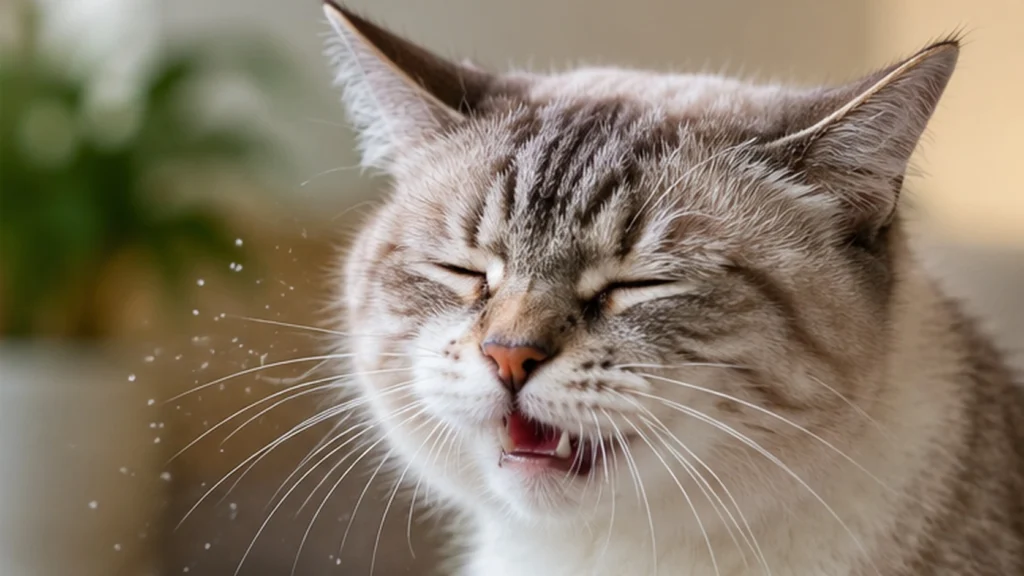
Sneezing is the body’s way of clearing irritants from the nasal passages. When a cat repeatedly sneezes and develops nasal discharge, inflammation or infection is often involved. A cat with a mild respiratory infection might continue playing and eating, while another may become congested, tired and less interested in food. The accompanying symptoms offer useful clues.
| Symptoms | Possible explanation |
|---|---|
| Sneezing with clear discharge | Early respiratory infection or irritation |
| Sneezing and watery eyes | URI or conjunctivitis |
| Sneezing with thick mucus | Respiratory infection or inflammation |
| Sneezing with discharge from one nostril | Localized nasal disease or obstruction |
| Sneezing with coughing | Respiratory disease requiring evaluation |
| Nasal discharge with difficult breathing | Potential emergency |
These patterns are clues, not reliable diagnoses.
Why Is My Cat Sneezing But Acting Normal?
If your cat is sneezing but still eating, playing and behaving normally, mild nasal irritation or an early respiratory infection could be the cause. Occasional sneezing with clear discharge may be monitored at home. However, if sneezing continues the discharge worsens or other symptoms appear, contact your veterinarian.
Why Does My Cat Have a Runny Nose And Watery Eyes?
When nasal discharge appears alongside watery eyes a feline upper respiratory infection becomes an important possibility. The eyes and nasal passages are connected through tear drainage structures and respiratory infections can affect both areas. Feline herpesvirus is particularly associated with eye inflammation, including conjunctivitis.
You might notice:
- Clear tears running down the face
- Red or irritated eyes
- Sticky discharge around the eyelids
- Frequent blinking or squinting
- Sneezing and nasal congestion
What if my cat has eye boogers and a runny nose? Mild eye debris can occur, but thick discharge, redness, squinting or an eye that stays partly closed warrants prompt veterinary attention. Eye pain or a cloudy-looking cornea needs particularly urgent evaluation because some feline eye conditions can threaten vision.
What Does Your Cat’s Nasal Discharge Mean?
The appearance of nasal discharge can help your veterinarian narrow down possible causes. However color alone cannot identify a specific infection or determine whether antibiotics are needed.
| Nasal discharge | What it may indicate | Recommended response |
|---|---|---|
| Clear and watery | Irritation, inflammation, or an early infection | Monitor closely and contact your vet if persistent |
| Thick or sticky | Congestion or ongoing inflammation | Arrange veterinary evaluation |
| Yellow or green | Inflammatory cells and mucus, sometimes associated with infection | Contact your vet for an examination |
| Bloody | Trauma, inflammation, a foreign object, or another significant problem | Seek prompt veterinary care |
| Only one nostril | Localized obstruction, dental disease, or other nasal condition | Book a veterinary examination |
Why Is My Cat’s Nose Dripping Clear Liquid?
Clear nasal discharge may result from mild irritation or inflammation. Occasional dripping isn’t always serious, but persistent discharge needs veterinary attention, especially if it comes from one nostril or follows a head injury.
Why Is Only One Of My Cat’s Nostrils Running?
Discharge affecting just one nostril can suggest a localized problem including a foreign object, dental disease, a polyp or a nasal mass. Some respiratory infections can also produce uneven discharge so one-sided symptoms don’t automatically mean a serious growth is present. But when the same nostril continues to run for days or weeks a veterinary examination is important.
How To Care For a Cat With a Runny Nose
The right care depends on what’s causing your cat’s runny nose. A viral infection, allergy, or foreign object in the nasal passage may require different approaches. While mild symptoms can sometimes be managed with supportive care, other conditions need veterinary attention.
Home Care For Respiratory Infections
Mild respiratory infections may improve with rest, hydration, and supportive care. More severe cases may require fluids, nutritional support, or medication prescribed by a veterinarian. Depending on the cause, a veterinarian may recommend:
- Antibiotics: For suspected or confirmed bacterial infections.
- Antiviral medications: For certain viral infections.
- Antifungal medications: For diagnosed fungal infections.
- Additional care: To manage inflammation or other underlying conditions.
Remember, antibiotics do not work against viruses.
Managing Allergies, Nasal Polyps And Dental Problems
- Allergies or irritants: Reducing exposure to dust, smoke or strong fragrances may help ease symptoms.
- Dental problems: Infected teeth may require professional dental care.
- Nasal polyps or foreign objects: A veterinarian may need to remove an obstruction.
- Persistent symptoms: Blood tests, imaging, PCR testing or rhinoscopy may be recommended to identify the cause.
Can you give your cat human cold medicine? No. Many over-the-counter cold and flu medicines contain ingredients that can be toxic to cats. Never give your cat human medication without veterinary guidance.
How To Help a Cat With a Runny Nose At Home
If your cat is breathing comfortably and your veterinarian agrees that home care is appropriate, a few simple measures may help them feel better.
These methods provide comfort they don’t replace treatment for an underlying infection or obstruction.
1. Gently Clean The Nose
- Use a soft cloth dampened with warm water to wipe away mucus and crusts around the nostrils.
- Avoid rubbing the skin aggressively or inserting cotton swabs into the nose.
2. Add Moisture To the Air
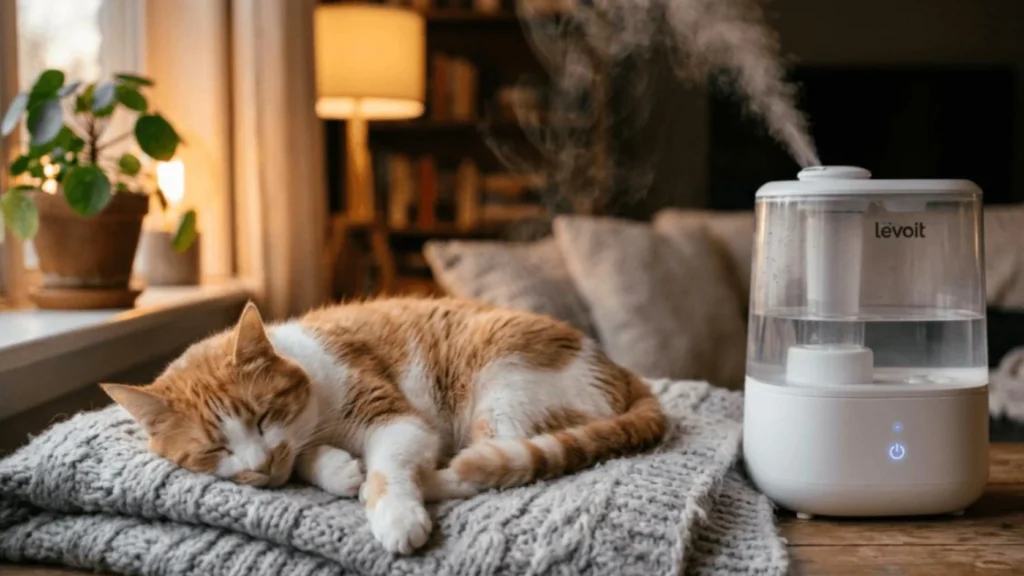
A clean, cool-mist humidifier may help make nasal congestion more comfortable. Use plain water according to the manufacturer’s instructions.
3. Encourage Eating And Drinking
- Cats rely heavily on smell to recognize food. Congestion can make their usual meals less appealing.
- Offering slightly warmed wet food may make it easier for your cat to smell their meal.
- Keep fresh water available and monitor how much your cat eats.
- If your cat refuses food contact your veterinarian promptly. Prolonged poor food intake can be particularly dangerous for cats.
4. Provide a Quiet Recovery Space
- Give your cat a comfortable place to rest away from household sprays, smoke and excessive noise.
- If an infectious respiratory illness is suspected, temporarily separating them from other cats can reduce the risk of transmission.
- Wash your hands after handling nasal or eye discharge and clean shared bowls and bedding.
What Home Remedies Should You Avoid?
- Avoid homemade nasal solutions, essential oils, human decongestants and unprescribed antibiotics.
- Also, don’t use a hot steam inhaler close to your cat’s face. Burns and overheating are real risks.
Home care should improve comfort while the underlying cause is assessed not delay necessary veterinary treatment.
Why Does My Cat Have a Constant Runny Nose?
A runny nose that keeps returning or lasts for weeks or months may be associated with chronic rhinitis, ongoing respiratory inflammation or an underlying structural problem. Some cats develop persistent nasal inflammation following earlier viral respiratory infections. Feline herpesvirus can remain latent in the body and some cats experience recurring respiratory symptoms. Other possibilities include dental disease, fungal infections, polyps or nasal tumors.
When Should You Take a Cat With a Runny Nose To The Vet?
- The urgency depends on your cat’s breathing, appetite, energy level and accompanying symptoms.
- Seek emergency veterinary care immediately
- Open-mouth breathing, struggling to breathe, collapse, blue or very pale gums or severe respiratory distress.
- Contact a veterinarian promptly
- Bloody nasal discharge, not eating, marked lethargy, painful or swollen eyes, facial swelling or worsening congestion.
- Arrange an examination for persistent symptoms
- Repeated sneezing, discharge lasting more than a couple of days, chronic symptoms, or discharge consistently affecting one nostril.
- Kittens, senior cats and cats with existing health problems may need earlier assessment because they can deteriorate more quickly.
- If you’re unsure whether your cat is breathing normally, err on the side of urgent veterinary advice.
How to Reduce the Risk of Respiratory Infections in Cats
Not every cause of nasal discharge is preventable, but you can reduce several common risks. Keeping your cat current with veterinarian-recommended FVRCP vaccinations helps protect against important viral respiratory diseases although vaccination does not eliminate every infection.
Other helpful habits include maintaining clean food bowls and bedding, limiting exposure to sick cats, using low-dust litter, and avoiding smoke or strong household fragrances.
For households with several cats, introducing new animals carefully and following veterinary guidance on isolation and vaccination can help reduce disease transmission.
Final Thoughts
A cat’s runny nose might be caused by something as simple as temporary irritation, or it could be an early sign of a respiratory infection or another condition needing treatment. Pay attention to how your cat is behaving, whether they’re eating normally, and whether the discharge is improving or getting worse. The goal isn’t just to stop the dripping it’s to find out why it’s happening. When symptoms persist, become bloody or affect your cat’s breathing or appetite, veterinary care is the safest next step.