

Your dog spots an apple in your hand and suddenly wants a bite. Before sharing, you might wonder whether apples are actually safe for dogs or if they could upset their stomach. Yes dogs can eat apples. Fresh apples are safe for most healthy dogs when served in small, bite-sized pieces without the seeds, core or stem. Apples provide fiber, water and small amounts of vitamins making them a refreshing occasional treat.
However, not every part of an apple is safe. The seeds contain compounds that can release cyanide when crushed, while the tough core can become a choking hazard. Feeding too much apple may also cause digestive problems.
Are Apples Good For Dogs?
Apples can be a nutritious addition to your dog’s treat rotation. They are naturally low in fat and contain dietary fiber, vitamin C and plant antioxidants. Here is what makes them useful.
1. Fiber Supports Digestion
- Apples contain soluble and insoluble fiber, including pectin.
- Fiber helps support normal digestive function and stool consistency. However, too much fiber at once can have the opposite effect, causing gas or loose stools.
2. A Lower-Calorie Treat Option
- Fresh apple pieces can be a lighter alternative to calorie-dense dog biscuits.
- For dogs that need help managing their weight, replacing some regular treats with small apple pieces may reduce overall treat calories, provided the portions are controlled.
3. Adds Water To Their Diet
- Apples have a high water content, making them a refreshing snack during warmer weather.
- They can contribute a little extra moisture although they are not a replacement for fresh drinking water.
4. Provides Vitamins And Antioxidants
- Apples contain vitamin C and beneficial plant compounds.
- These nutrients contribute to the fruit’s nutritional value, but dogs eating a complete and balanced diet typically receive the essential nutrients they need from their regular food.
- Apples are a treat, not a nutritional supplement or treatment for disease.
Can Dogs Eat Apples With Skin?
Yes. Dogs can eat apple skin, and peeling the fruit is not necessary for most healthy dogs. The peel contains fiber and plant compounds. Just wash the apple thoroughly before slicing it to remove dirt and surface residue. However, some dogs have sensitive stomachs and may experience gas or loose stools after eating fruit with the peel attached. If your dog struggles to digest the skin, try a small amount of peeled apple instead.
Apple Skin vs Peeled Apples
| Apple Form | Safe for Dogs? | What to Know |
|---|---|---|
| Apple with skin | Yes | Wash thoroughly and cut into small pieces |
| Peeled apple | Yes | May be easier for sensitive stomachs |
| Whole apple | Not recommended | Core and large pieces present risks |
| Apple seeds | Avoid | Contain cyanogenic compounds |
| Apple core | Avoid | Choking and possible obstruction risk |
Can Dogs Eat Green Apples?
- Yes dogs can eat green apples including Granny Smith apples.
- Green apples have a more tart flavor than many red varieties. Some dogs enjoy their crisp texture, while others prefer sweeter fruit.
- The important factor is not the color but how the apple is prepared.
- Remove the seeds, stem, and core, and start with a small serving.
Can Dogs Eat Granny Smith Apples?
Granny Smith apples are safe for most healthy dogs in moderation. Their tartness may make them less appealing to some dogs, but there is no need to avoid the variety simply because it is green.
Can Dogs Eat Red Apples?
Yes. Red varieties such as Gala, Fuji and Red Delicious are also safe when properly prepared. Red and green apples can both be offered as occasional treats. Choose fresh, unspoiled fruit rather than assuming one color is automatically healthier for your dog.
How Much Apple Can a Dog Eat?
A few small pieces are usually enough, especially when your dog is trying apple for the first time. The appropriate portion depends on your dog’s weight, regular diet and health. The following guidelines are adapted from PetMD’s veterinarian-reviewed feeding recommendations. Each piece is approximately 1 inch wide and ¼ inch thick, but should be cut smaller if necessary to prevent choking.
| Dog Size | Weight | Apple Serving |
|---|---|---|
| Extra Small | 2–10 lbs | 1–2 small pieces |
| Small | 11–20 lbs | 2–3 small pieces |
| Medium | 21–50 lbs | 3–4 small pieces |
| Large | 51–90 lbs | 4–5 small pieces |
| Extra Large | 91+ lbs | 5–6 small pieces |
These are general upper serving guidelines not amounts every dog needs. Start with less, especially for puppies or dogs with sensitive digestion.
Can Dogs Eat Apples Every Day?
Healthy dogs can have small amounts of apple regularly, but there is no nutritional need to serve apples daily. The important rule is that all treats combined should provide no more than 10% of your dog’s daily calories. The remaining calories should come from a complete and balanced diet.
For Example, if your dog already receives biscuits, training rewards and other snacks, apple pieces should count toward the same treat allowance.
Can Small Dogs Eat Apples?
Yes. Small breeds can enjoy apples, but their serving sizes should be smaller. Cut the fruit into appropriately sized pieces, especially for dogs that swallow food quickly. Avoid giving a small dog an entire apple or a large chunk to chew unsupervised.
Pet Sitter Guide 2026 Costs, Services & How To Choose
Can Dogs Eat Apple Seeds or Cores?
Apple seeds and cores should always be removed before feeding. Although the edible apple flesh is safe other parts of the fruit present different risks.
Are Apple Seeds Poisonous To Dogs?
Apple seeds contain amygdalin, a naturally occurring cyanogenic compound that can release cyanide when the seeds are damaged and digested. Swallowing one or two seeds accidentally is unlikely to cause poisoning in most dogs but risk depends on the amount consumed, whether the seeds were chewed and the dog’s size. There is no benefit to intentionally feeding apple seeds to a dog.
What Happens If a Dog Eats an Apple Core?
The core is tough and fibrous. It can become lodged in the throat or digestive tract, particularly in smaller dogs. If your dog has swallowed an apple core contact your veterinarian for advice, even if they initially appear comfortable. The urgency depends on the dog’s size, the amount swallowed, and whether symptoms are present.
Watch for warning signs including:
- Repeated vomiting or retching
- Difficulty swallowing
- Abdominal pain or swelling
- Loss of appetite
- Unusual lethargy
- Difficulty passing stool
Emergency warning: Difficulty breathing, collapse, seizures, or severe weakness require immediate veterinary attention. Do not attempt to induce vomiting unless a veterinary professional specifically instructs you to do so. The ASPCA identifies cyanogenic compounds in apple seeds, stems and leaves as a poisoning concern.
Can Dogs Eat Different Types Of Apples?
Dogs may tolerate apples differently depending on how they are served. Fresh apple is generally the simplest choice but owners frequently ask about dried, cooked and processed varieties.
| Apple Type | Safe? | Recommendation |
|---|---|---|
| Fresh apple slices | Yes | Best everyday option in moderation |
| Green apples | Yes | Remove core, seeds, and stem |
| Red apples | Yes | Serve fresh and properly cut |
| Honeycrisp apples | Yes | Small portions due to natural sugar |
| Fuji apples | Yes | Offer as an occasional treat |
| Cooked apples | Yes | Only plain, without sugar or seasoning |
| Unsweetened applesauce | Usually | Check ingredients carefully |
| Dried apples | Limited | Choose plain, unsweetened; offer very small portions |
| Freeze-dried apples | Limited | Must be plain and appropriately sized |
| Apple pie | Avoid | Added sugar, fat and spices |
| Caramel apples | Avoid | Excess sugar and unsuitable ingredients |
| Apple cores and seeds | No | Remove before serving |
Can Dogs Eat Dried Apples?
Plain, unsweetened dried apples can be offered occasionally. However, removing water makes dried fruit more concentrated in sugar and calories per gram. Some commercial products also include sweeteners or preservatives. A small fresh apple slice is generally preferable.
Full Guide Can Dogs Eat Watermelon? Safety, Rind, Seeds & Serving.
Can Dogs Eat Cooked Apples?
Yes. Plain boiled, steamed, or baked apple flesh can be suitable for dogs, provided it contains no added sugar, butter or spices. Allow it to cool completely before feeding. Soft cooked apple may be easier for some dogs to chew.
Can Dogs Eat Applesauce?
- Plain, unsweetened applesauce can be safe in small amounts.
- Check the full ingredient list before sharing. Avoid products containing added sugar, inappropriate spices, or xylitol.
- Xylitol, sometimes listed as birch sugar, is highly toxic to dogs. Suspected ingestion requires urgent veterinary attention, even if the dog initially seems normal.
Can Puppies Eat Apples?
Yes, puppies that are eating solid food can usually try very small amounts of fresh apple. Because puppies have smaller mouths and developing digestive systems, preparation is especially important. Begin with a tiny piece of peeled, seedless apple. If your puppy tolerates it without vomiting, diarrhea, or discomfort, you can occasionally offer another small portion. For very young puppies, ask your veterinarian before introducing human foods. Apples should never replace puppy food formulated to support growth.
Can Diabetic Dogs Eat Apples?
A dog with diabetes may be able to eat small amounts of apple, but you should ask your veterinarian before introducing them. Although apples contain fiber, they also contain natural sugars and carbohydrates that must be considered within a diabetic dog’s feeding plan. This is particularly important for dogs receiving insulin or following a tightly controlled diet.
Solid Information: Avoid assuming that green apples are automatically safe for diabetic dogs because they taste less sweet. Likewise, dogs with pancreatitis, gastrointestinal disease or prescribed therapeutic diets may need different feeding restrictions.
Free Dog & Cat Symptom Checker
How To Safely Prepare Apples For Dogs
A little preparation makes apples safer and easier for dogs to enjoy.
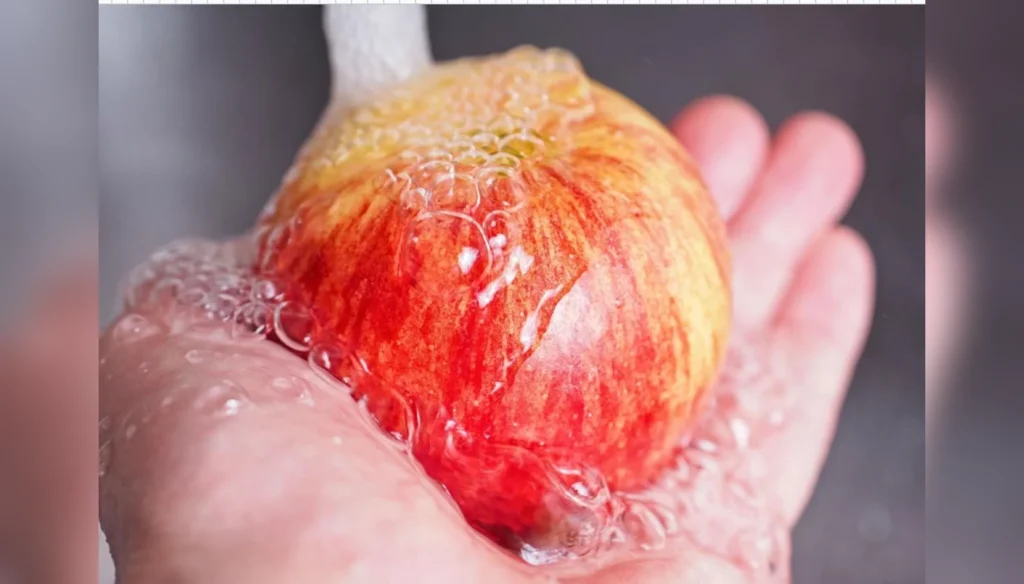
Step 1: Wash The Apple
Rinse the fruit thoroughly under running water to remove dirt and surface residue.
Step 2: Remove Unsafe Parts
Discard the core, seeds, and stem. Do not leave the core within reach of your dog.
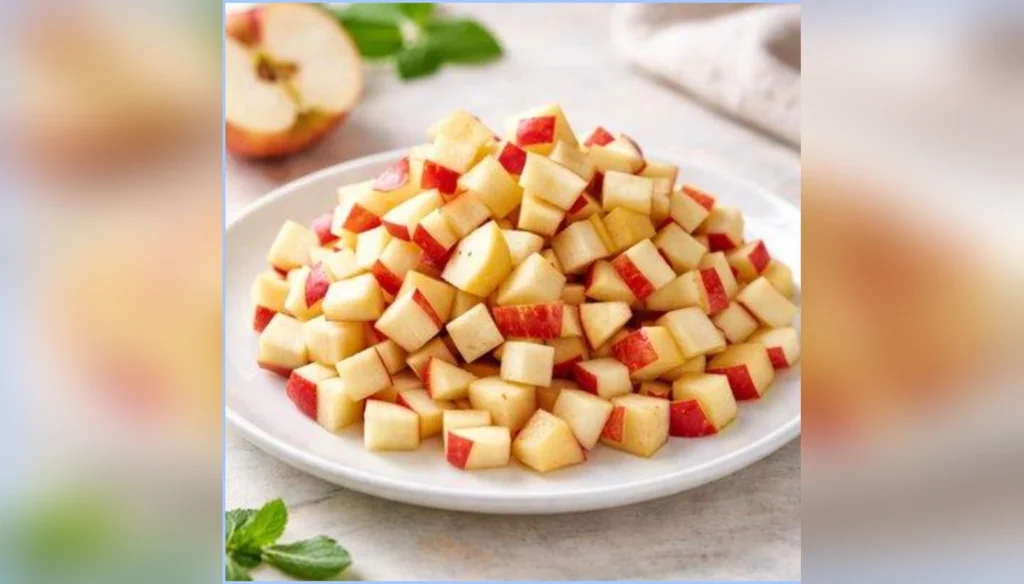
Step 3: Cut Into Small Pieces
Make pieces appropriate for your dog’s size and chewing habits.
Step 4: Serve And Observe
Offer one small piece first. Watch for digestive discomfort before feeding more.
Three Easy Ways To Serve Apples as Dog Treats
Plain apples do not need an elaborate recipe. These simple ideas can add variety to your dog’s treat routine.
Fresh Apple Training Bites
Cut seedless apple flesh into tiny cubes and use a few pieces as rewards during short training sessions. Small cubes are easier to portion than large apple slices.
Frozen Apple And Blueberry Treats
Blend a little apple with water and a few blueberries. Pour the mixture into small molds and freeze. Serve only appropriately sized pieces, supervise chewing, and avoid hard frozen chunks for dogs with dental problems or a tendency to swallow food whole.
Apple Food Topper
Finely chop a small amount of plain apple and mix it into your dog’s regular meal. For a dog who refuses larger pieces, a little unsweetened, xylitol-free apple puree may be an alternative. Remember that homemade treats still count toward the daily treat calorie allowance.
What if Your Dog Eats Too Much Apple?
Eating a large amount of apple flesh is more likely to cause digestive upset than poisoning, but the outcome depends on how much was eaten and whether seeds or core were included. Possible symptoms include diarrhea, gas, vomiting and abdominal discomfort. If your dog eats far more apple than intended, or develops persistent symptoms, contact your veterinarian. Seek immediate care if there is difficulty breathing, collapse, severe abdominal pain or repeated unproductive retching. Don’t offer additional fruit while your dog is experiencing digestive problems.
Final Thoughts.
Apples are a perfectly reasonable treat for most healthy dogs and you don’t need to avoid them simply because they contain natural sugar. The safest choice is straightforward fresh, washed apple pieces with the core, seeds and stem removed. Keep portions small, pay attention to your dog’s digestion and count apples as part of their daily treats. If your dog has diabetes, digestive problems or a medical diet, check with your veterinarian before making apples a regular snack.