
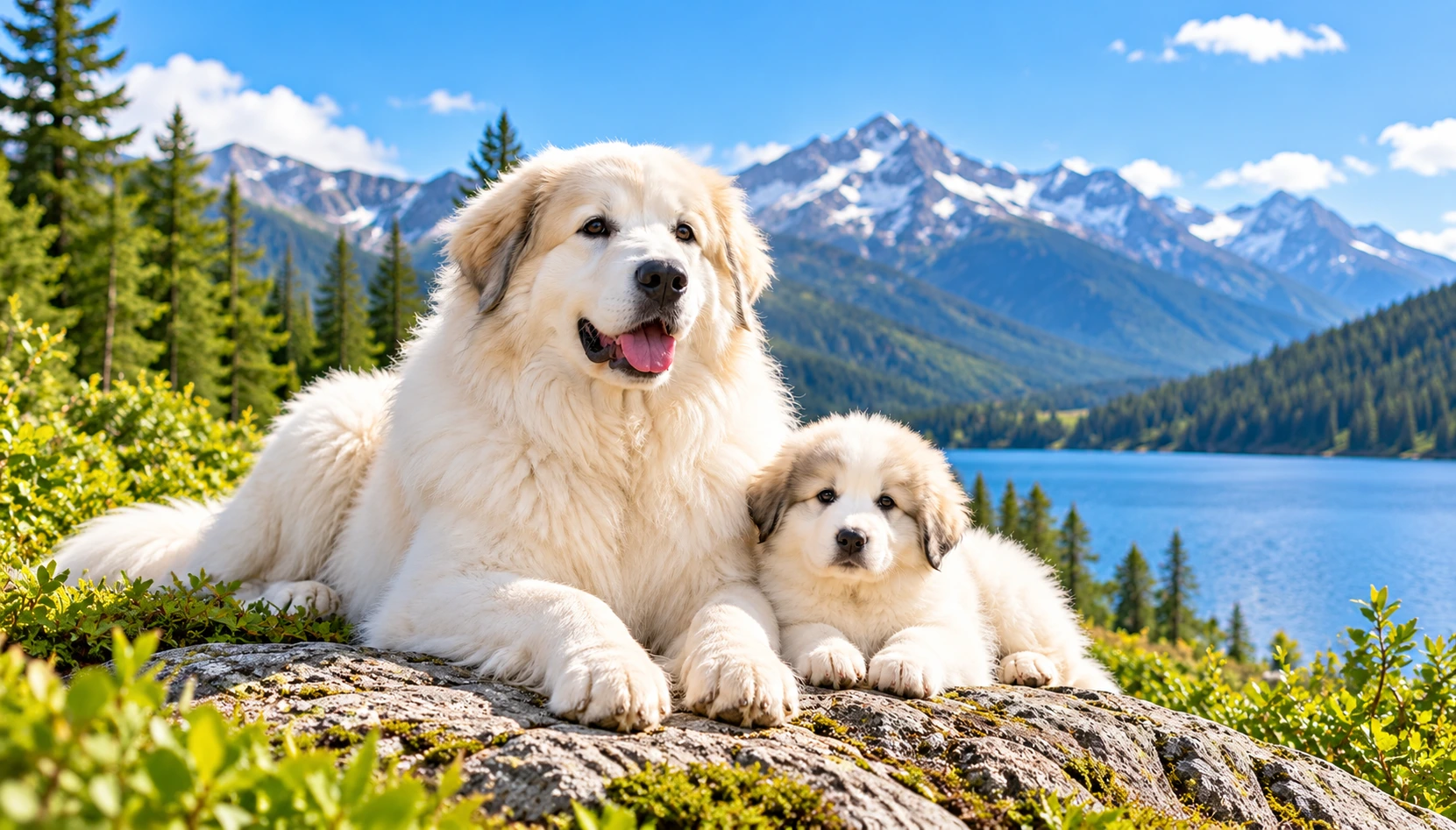
The Great Pyrenees is a large, white, fluffy dog known for its calm personality, protective instincts and strong devotion to family. Originally bred to guard sheep in the mountains, this gentle giant is just as comfortable watching over loved ones as it is relaxing beside them.
But don’t let that peaceful appearance fool you. A Great Pyrenees can be independent, stubborn, and surprisingly vocal, especially when something catches its attention outdoors. If you’re considering this breed, understanding its size, temperament, grooming needs and health concerns will help you decide whether it’s the right companion for your home.
Great Pyrenees Breed Overview
| Characteristic | Details |
|---|---|
| Breed name | Great Pyrenees |
| Other names | Pyrenean Mountain Dog, Pyr |
| Origin | Pyrenees Mountains, France and Spain |
| Breed group | Working |
| Male height | 27–32 inches |
| Female height | 25–29 inches |
| Male weight | Typically 100 pounds or more |
| Female weight | Typically 85 pounds or more |
| Lifespan | 10–12 years |
| Temperament | Calm, patient, loyal, independent |
| Coat | Thick, weather-resistant double coat |
| Colors | White, sometimes with gray, tan, or reddish markings |
| Shedding | Heavy |
| Exercise needs | Moderate |
| Best suited for | Homes prepared for a large livestock guardian breed |
Breed measurements and characteristics are based on the AKC breed standard and veterinary breed guidance. Individual dogs vary.
What Is a Great Pyrenees?
The Great Pyrenees is a powerful livestock guardian dog developed to protect sheep from wolves and other predators. Unlike herding dogs that move animals from one location to another, this breed was expected to stay with the flock, observe its surroundings, and respond to potential danger.
That working background explains many of its behaviors today. A Great Pyrenees may spend hours resting, then suddenly become alert when it hears an unfamiliar noise. Its instinct is to assess situations independently rather than wait for a command. The breed has a long history in the mountains between France and Spain. It later became associated with French nobility before gaining recognition in the United States.
Today, some still protect livestock, while others live as family companions. However, their guarding instincts remain an important part of their personality.
Great Pyrenees Size And Weight How Big Do They Get?
Great Pyrenees dogs are considered a giant breed. Their thick coats make them look especially large, but underneath all that fur is a strong, muscular body built for demanding mountain conditions.
Male vs. Female Great Pyrenees Size
| Measurement | Male | Female |
|---|---|---|
| Height | 27–32 inches | 25–29 inches |
| Typical weight | 100+ pounds | 85+ pounds |
| Build | Generally larger and heavier | Generally smaller and lighter |
| Adult appearance | Broad, powerful frame | Strong, slightly more compact frame |
These figures represent typical breed-standard measurements, not fixed limits. A dog’s healthy weight depends on its structure and body condition.
When Is a Great Pyrenees Fully Grown?
Most Great Pyrenees reach much of their adult height by around 12–18 months. However, their bodies may continue filling out until approximately 2–3 years of age. Growth rates vary with genetics, nutrition, and overall health.
Because these dogs grow so large, puppies need food formulated for large-breed growth. Rapid weight gain and excessive calorie intake can place unnecessary stress on developing joints. Rather than comparing your puppy against an arbitrary weight chart, ask your veterinarian to monitor growth and body condition.
Great Pyrenees Temperament and Personality
The Great Pyrenees temperament combines gentleness with a remarkable sense of responsibility. These dogs are often affectionate with their families, but they are not necessarily eager to follow every instruction.
Their defining characteristics include:
- Protective: Naturally attentive to unusual activity around their home.
- Independent: Comfortable making decisions without constant direction.
- Patient: Often calm and tolerant in familiar surroundings.
- Loyal: Forms strong bonds with its family.
- Alert: Quick to notice unfamiliar sounds, people, or animals.
- Strong-willed: May understand a command and still choose not to respond immediately.
A Pyr’s behavior makes more sense when you remember what the breed was originally developed to do. Working alone in mountain pastures required judgment and confidence, not constant obedience. This independence can be charming, but owners who expect instant responses to every command may find it frustrating.
Are Great Pyrenees Aggressive?
Great Pyrenees are not inherently aggressive toward people. Many are calm and affectionate with family members. However, their natural guarding instincts can make them cautious around unfamiliar people or animals. A dog that feels threatened, lacks proper socialization, or has learned to react fearfully may display unwanted defensive behavior. Early exposure to different people, environments, and everyday experiences helps puppies develop confidence.
Owners should avoid encouraging aggressive guarding behavior. If a dog growls, lunges, or shows threatening behavior, work with a qualified, reward-based trainer or veterinary behaviorist.
Are Great Pyrenees Good Family Dogs?
- Yes, Great Pyrenees can make wonderful family dogs, particularly in households that appreciate a calm companion with protective instincts.
- They are often affectionate and patient with children and may enjoy staying close to family members throughout the day.
- Still their size deserves serious consideration.
- Even a friendly adult can accidentally knock over a small child while turning around, walking through a doorway, or becoming excited.
- Parents should supervise interactions, teach children to respect a dog’s eating and resting spaces and ensure their pet can retreat somewhere quiet when needed.
Are Great Pyrenees Good With Kids?
Many are gentle with children they know. However, temperament varies by individual dog and positive behavior should never be taken for granted.VSupervised interactions, early socialization, and clear household boundaries are essential.
Do They Get Along With Other Dogs And Pets?
- Great Pyrenees can coexist peacefully with other household animals, especially when introductions are gradual and positive.
- Some may be protective of smaller animals while others may be selective about unfamiliar dogs.
- Their background as livestock guardians does not automatically mean every individual will safely accept chickens, cats, or other small pets.
Always assess the individual dog’s behavior and supervise introductions.
Great Pyrenees Behavior Why Do They Bark So Much?
One of the biggest surprises for new owners is just how vocal this breed can be. Great Pyrenees were bred to alert people and deter predators. Barking served an important purpose, particularly when guarding livestock after dark. That instinct hasn’t disappeared simply because a dog now lives in a suburban backyard. Common barking triggers include:
- Wildlife moving near the property
- People walking past the fence
- Other dogs barking in the distance
- Unfamiliar vehicles or sounds
- Changes in the dog’s surroundings
How To Manage Excessive Barking
- You may not eliminate alert barking entirely but you can work toward making it more manageable.
- Start by reducing unnecessary triggers. Bringing your dog indoors at night, limiting its view of busy sidewalks, and establishing a calm sleeping area can help.
- Reward quiet behavior and teach a consistent cue that redirects the dog’s attention toward you.
- Avoid yelling or harsh punishment, which can increase stress and make the situation worse.
- If barking becomes persistent or suddenly changes, consider whether anxiety, discomfort, boredom or another problem is contributing. A veterinarian or qualified behavior professional can help you identify the cause.
Great Pyrenees Training Are They Easy To Train?
Great Pyrenees are intelligent dogs, but training one feels different from training a breed developed to follow frequent human instructions. A Pyr may learn what come means quite quickly, yet remain focused on something interesting across the yard. This doesn’t necessarily mean the dog is incapable of learning. Independent judgment is part of its working background.
Training Tips For Great Pyrenees Puppies And Adults
- Begin socialization during puppyhood using safe positive experiences.
- Keep training sessions short and engaging.
- Reward behaviors you want to see repeated.
- Practice recall in secure, low-distraction areas before increasing difficulty.
- Teach comfortable leash walking while your puppy is still manageable.
- Remain consistent with household rules.
- Avoid relying on off-leash obedience in unsecured areas.
Recall training is especially important because some Great Pyrenees enjoy exploring beyond familiar boundaries. A secure fence and supervision are safer than assuming your dog will always return when called.
Can Dogs Eat Strawberries? Safety, Benefits & Serving Guide
Great Pyrenees Exercise Needs
- Despite their impressive size, Great Pyrenees generally do not need the same intense exercise routine as highly energetic sporting or herding breeds.
- Many adults are content with moderate daily activity, including walks, relaxed playtime, and opportunities to explore a securely fenced yard.
Mental stimulation matters too.
- Sniffing games, reward-based training, and simple enrichment activities can keep them occupied without requiring strenuous workouts.
- For puppies, avoid forced long-distance running, repeated high-impact jumping, or excessive exercise while their joints are still developing.
Adjust activity to the dog’s age, fitness, health and the weather.
Great Pyrenees Grooming And Shedding
A Great Pyrenees has a beautiful weather-resistant double coat with a thick undercoat and a longer outer layer. That coat is well suited to cold mountain conditions but it also means owners should expect plenty of loose fur around the house.
Do Great Pyrenees Shed?
Yes. Great Pyrenees shed throughout the year, often with heavier seasonal shedding when they lose more of their undercoat. A thorough brushing at least once a week is generally recommended. During heavier shedding periods, brushing more frequently can help remove loose hair before it collects on furniture and clothing.
How To Groom a Great Pyrenees
| Grooming Task | Suggested Routine |
|---|---|
| Brushing | At least weekly; more often during heavy shedding |
| Bathing | When dirty or needed |
| Nail trimming | Regularly, depending on nail growth |
| Ear checks | Weekly and whenever irritation is suspected |
| Dental care | Ideally daily toothbrushing |
| Coat inspection | Regularly check for tangles, debris, and skin irritation |
Pay particular attention to areas behind the ears, around the legs and beneath the tail, where tangles can develop. Avoid shaving the entire coat as a routine way to manage shedding or summer heat. Discuss significant trimming or coat problems with a veterinarian or experienced groomer. Because of their thick coat, Great Pyrenees also need extra care in hot weather, including shade, fresh water and a cool resting area.
Great Pyrenees Colors And Appearance
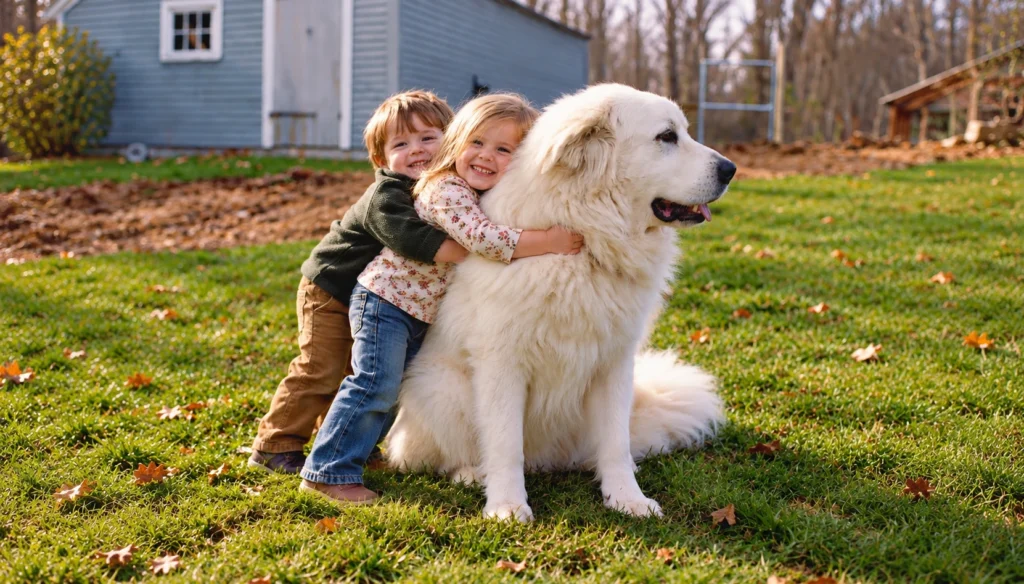
Most people recognize the Great Pyrenees by its white, fluffy coat, dark eyes and broad, elegant appearance.
- However, not every dog is completely white.
- The breed standard allows a predominantly white coat with markings in shades such as gray, tan, reddish-brown or badger.
- Markings are often visible around the head and ears, although they may also appear elsewhere.
- A black-coated dog is not a recognized standard color for a purebred Great Pyrenees under the AKC standard. Coat color alone, however, cannot establish whether a dog is purebred or mixed.
Another characteristic feature is the presence of double dewclaws on the hind legs, which are part of the breed standard.
Can Dogs Have Blueberries? Benefits, Risks & Serving Guide
Great Pyrenees Lifespan How Long Do They Live?
- The average Great Pyrenees lifespan is approximately 10–12 years.
- Some dogs live longer, while others may experience health problems that shorten their lives.
- Genetics, weight management, exercise, preventive veterinary care and nutrition can all influence a dog’s health and quality of life.
- Keeping a giant breed at an appropriate body condition is particularly important because excess weight places added strain on the joints.
Common Great Pyrenees Health Problems
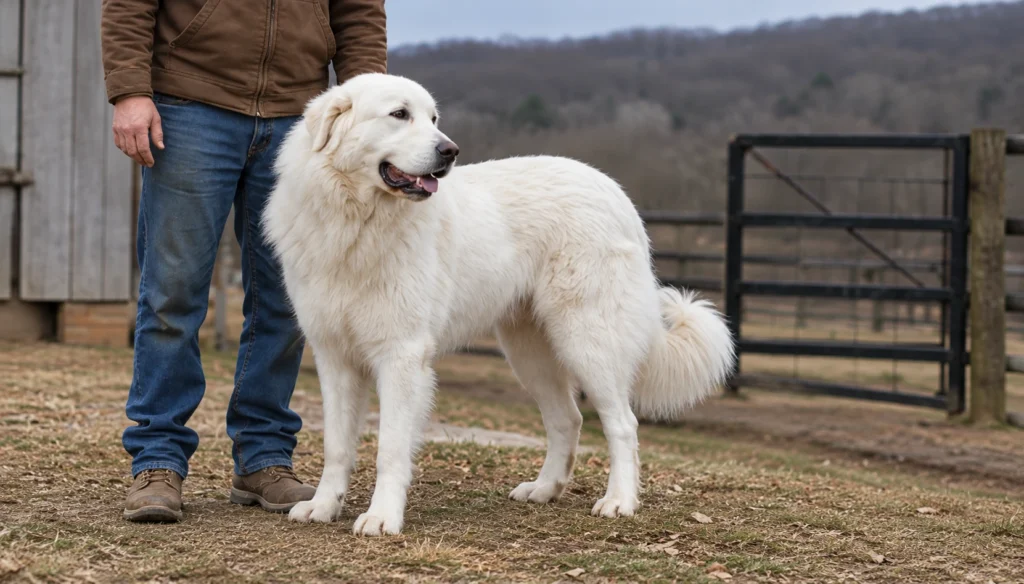
Like many large and giant breeds, Great Pyrenees can develop certain inherited or size-related conditions. Being aware of these concerns helps owners recognize potential problems and discuss preventive care with their veterinarian.
Hip And Elbow Dysplasia
Hip and elbow dysplasia involve abnormal joint development that may cause pain, lameness, stiffness, or arthritis. Responsible breeders screen breeding dogs for relevant orthopedic conditions. Keeping your dog at a healthy weight and discussing exercise restrictions during puppyhood can support joint health.
Bloat And Gastric Dilatation-Volvulus (GDV)
Great Pyrenees are deep-chested dogs, which puts them at risk of gastric dilatation-volvulus, commonly called GDV or a twisted stomach. Warning signs can include unsuccessful attempts to vomit, a swollen or painful abdomen, restlessness and excessive drooling. Suspected GDV is a life-threatening emergency requiring immediate veterinary treatment. Do not wait to see whether symptoms improve.
Pro Tip: Ask your veterinarian about feeding practices and whether preventive gastropexy may be appropriate for your dog.
Full Guide Can Cats See In The Dark?
Patellar Luxation
Patellar luxation occurs when the kneecap moves out of its normal position. Affected dogs may occasionally skip, limp, or show discomfort while walking. Diagnosis and treatment depend on severity.
Inherited Neurological Conditions
Great Pyrenees can also be affected by inherited conditions such as neuronal degeneration. Responsible breeding programs may use genetic testing to reduce the likelihood of passing known conditions to future generations. Routine checkups and early evaluation of unusual symptoms are important throughout a dog’s life.
Veterinary Note: This overview is educational and does not replace a diagnosis or individualized veterinary advice.
What Should a Great Pyrenees Eat?
Great Pyrenees need a balanced diet appropriate for their age, size, activity level, and health. Large-breed puppies have different nutritional requirements from fully grown adults, particularly while their bones and joints are developing.
Choose a complete and balanced food that meets recognized nutritional standards such as an AAFCO nutritional adequacy statement appropriate for your dog’s life stage.
Feeding Tips
- Choose a large-breed puppy formula when appropriate for growing dogs.
- Measure portions rather than estimating by eye.
- Divide daily food into smaller meals instead of one very large meal.
- Avoid vigorous exercise immediately around feeding times.
- Provide fresh drinking water throughout the day.
- Monitor body condition and adjust food quantities with veterinary guidance.
There is no single correct amount of food for every Great Pyrenees. A working livestock guardian may have very different calorie requirements from a relatively inactive indoor companion. Your veterinarian can help establish an appropriate feeding plan.
Great Pyrenees Puppies What To Expect
- Great Pyrenees puppies are irresistibly fluffy but raising one requires patience and planning.
- A small puppy will eventually become a powerful adult dog, so habits that seem harmless early on can become difficult to manage later.
- Begin with the essentials: house training, gentle handling, leash manners, supervised introductions, and rewarding calm behavior.
- Puppies also need regular veterinary visits, vaccinations, parasite prevention, and age-appropriate nutrition.
- When choosing a breeder, ask about health testing of the parents and the environment in which the puppies are raised.
- Adopting through a reputable rescue is another option, especially for people open to welcoming an adult dog.
Can Great Pyrenees Live In Apartments?
- A Great Pyrenees may be calm indoors, but that doesn’t automatically make it ideal for apartment living.
- The biggest challenges are often its physical size, protective barking, and access to safe outdoor exercise.
- Noise can be particularly difficult in buildings with shared walls or busy hallways.
- Some individual dogs adapt successfully to smaller homes with attentive owners, consistent routines, and appropriate exercise. Others may become stressed by constant activity outside their doors.
- A home with adequate space and secure outdoor access is generally more practical, but a large yard alone will not replace training, companionship or daily care.
Great Pyrenees Pros And Cons
| Advantages | Challenges |
|---|---|
| Gentle with familiar people | Frequent alert barking |
| Loyal and protective | Heavy shedding |
| Often calm indoors | Independent during training |
| Moderate exercise needs | Needs reliable containment |
| Strong natural guarding instincts | Higher food and care expenses |
Is a Great Pyrenees The Right Dog For You?
A Great Pyrenees may be a good match if you’re comfortable with a large dog that is affectionate but independent. This breed often suits people who enjoy a relaxed daily routine, have enough room for a giant companion, and are willing to invest time in grooming and patient training. It may not be the best fit if you need a consistently quiet dog, dislike heavy shedding, or expect flawless off-leash obedience.
For first-time owners, researching the breed thoroughly and seeking guidance from an experienced trainer can make the transition easier. The most important question isn’t whether a Great Pyrenees looks beautiful. It’s whether you can comfortably meet its needs for the next decade or more.
FAQs
Final Thoughts
The Great Pyrenees offers a wonderful combination of gentle companionship and natural protective instincts. Its loyalty, calm personality, and impressive appearance make it special, but heavy shedding, barking, and independent behavior are equally important parts of the picture. For families willing to understand and accommodate these traits, a Great Pyrenees can become a deeply valued companion.